

Microcement is easy to look after: sweep or vacuum, then mop with warm water and a pH-neutral cleaner. Avoid acids, bleach, ammonia, abrasive pads and steam cleaners, wipe spills quickly, and have the protective sealer renewed when it starts to wear.
The sealer does most of the work. Micro cement is made of cement, polymers and pigments, and Colortale's finish is waterproof when sealed properly. Look after the sealer and the surface looks after itself.
Daily and Weekly Cleaning
1. Dry clean first: sweep with a soft brush or vacuum with a soft head to remove grit, which is what scratches floors. 2. Damp mop: use warm water with a little pH-neutral cleaner, and a microfibre mop or cloth, well wrung out. 3. Dry: let it air dry or wipe with a dry cloth to avoid water marks, especially on dark colours. 4. Walls and vanities: wipe with a soft damp cloth. Colortale's own advice is simple: mild soap and water, no harsh chemicals (Micro cement, FAQ).
What to Avoid
| Avoid | Why |
|---|---|
| Acidic cleaners (vinegar, lemon, descalers) | Can etch the sealer and cement |
| Bleach, ammonia, harsh solvents | Can damage or dull the sealer |
| Abrasive powders, scouring pads, wire brushes | Scratch the surface |
| Steam cleaners | Heat and pressure can harm the sealer |
| Waxes and polishes not approved by the installer | Can build up or react with the sealer |
| Standing water for long periods | Stresses the sealer, especially at edges |
| Dragging furniture | Scratches; use felt pads |
How to Deal With Stains
Act quickly. Most stains sit on the sealer if wiped promptly. Blot spills such as oil, turmeric, tea, coffee and wine at once, then clean with pH-neutral cleaner. For stubborn marks, try a slightly stronger neutral cleaner and a soft cloth, never an abrasive. If a stain has soaked in through worn sealer, contact your applicator.
Bathrooms
Squeegee or wipe shower walls after use, rinse off soap residue regularly, and ventilate well. Hard-water deposits are common in Delhi NCR; do not remove them with acidic limescale removers. Use a neutral cleaner and wipe dry often instead. See microcement bathrooms.
Kitchens
Wipe grease and spices from counters and backsplashes straight away, use chopping boards, and keep hot pans off the surface unless the sealer is rated for heat.
Scratches and Wear
Prevent most scratches with doormats, felt pads and regular removal of grit. Light surface scratches in the sealer can often be improved when the sealer is renewed. Deeper damage needs a local repair by the applicator; an exact invisible patch is not always possible, which we explain in microcement disadvantages.
When Should Microcement Be Resealed?
When the surface starts to look dull, patchy or absorbs water instead of beading. Colortale's micro cement FAQ says resealing every few years helps maintain the look; your applicator will advise for your traffic. High-traffic floors and showers need attention sooner than feature walls. Resealing is a cleaning and topcoat job, not a full reapplication.
Is Microcement High Maintenance?
No, provided you use the right cleaner and keep the sealer in good condition. It has no grout lines to scrub, which many people find easier than tiles. The main difference from tiles is that harsh chemicals are off-limits. Learn how the layers are built in our microcement application process guide.
Simple Care, Long-Lasting Surface
Keep grit off, use a neutral cleaner, avoid acids and abrasives, and reseal when needed. That is most of it. See more on microcement walls, or contact us for aftercare advice.
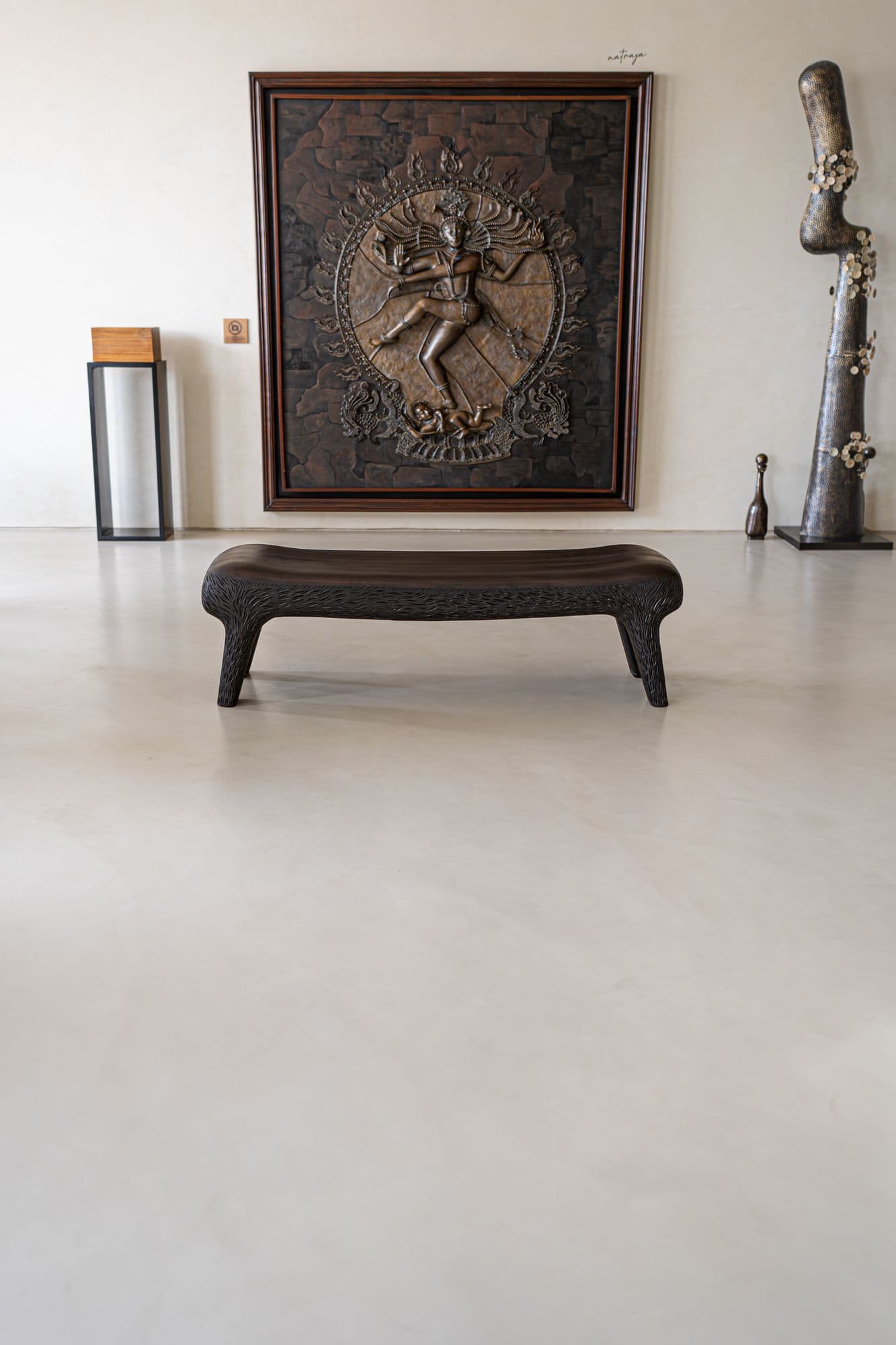
Frequently Asked Questions About Microcement Maintenance
How do I clean microcement?
Sweep or vacuum, then mop with warm water and a pH-neutral cleaner using a soft microfibre mop or cloth.
Can I use vinegar on microcement?
No. Vinegar and other acids can etch the sealer and cement.
Can I use bleach or a steam cleaner?
No. Both can damage the protective sealer.
How do I remove stains from microcement?
Blot spills quickly and clean with a neutral cleaner. If a stain has soaked in, contact your applicator.
How often should microcement be resealed?
It depends on the sealer and how much traffic the surface gets. Reseal when it looks dull or stops beading water, and ask your applicator for an interval.
Does microcement scratch easily?
It can scratch from grit and dragged furniture. Use doormats and felt pads and sweep regularly.
How do I clean a microcement shower?
Wipe or squeegee after use, rinse off soap and use a neutral cleaner. Avoid acidic limescale removers.
Is microcement high maintenance?
No. With a neutral cleaner and a well-kept sealer it is simple to look after, and it has no grout lines.