No. Limewash is water-resistant and breathable, not waterproof. Once cured, it sheds ordinary rain and copes well with humid air, but it is not designed for showers, splash zones or standing water, and exterior walls slowly wear and need a fresh coat over time.
That breathability is the point. Limewash lets moisture move out of a wall instead of sealing it in, which is why it suits Indian monsoons better than many people expect, and why it fails if you treat it like a waterproof coating.
Waterproof vs Water-Resistant: Why the Difference Matters
A waterproof coating blocks water in both directions; a breathable one lets vapour pass and sheds liquid water only up to a point. Limewash cures into a thin layer of calcium carbonate, essentially limestone, inside the wall surface. Rain runs off and dries out of it. Constant water, such as a shower spray, slowly dissolves and wears it.
Blocking water completely has its own risk on masonry: moisture already inside the wall gets trapped behind the film. A study of naturally ventilated lime-plastered houses in India found that non-porous coatings on plaster led to mould growth, while breathable lime surfaces in ventilated, sunlit rooms did not (PMC, 2024).
Does Limewash Come Off in the Rain?
Cured limewash on a well-detailed wall does not wash off in normal rain, but it weathers gradually. Fresh limewash that has not cured can wash off, so exteriors should not be done just before heavy rain. Over the years, wind-driven rain thins the finish, especially on exposed walls and below sills, and a fresh coat renews it. Good detailing (drip edges, sills that throw water clear, working gutters) makes the biggest difference. See exterior limewash for facades.
Is Limewash Good for India's Monsoon Humidity?
Yes, indoors. Humid air is not the problem; trapped water is. Limewash absorbs and releases moisture, and lime is naturally alkaline, which discourages mould. Keep rooms aired during long humid spells and fix any leak before finishing.
Can You Use Limewash in a Bathroom?
Only on walls away from direct water, in a well-ventilated bathroom. Not inside the shower, not behind the basin, and not as a floor. Steam and splashes can darken and stain it. For wet zones, choose a finish made for water: tadelakt, traditionally polished and soaped for Moroccan hammams, or sealed microcement. See our guides to a tadelakt bathroom and a microcement bathroom.
What About Kitchens?
Fine on general kitchen walls, not on the splash zone. Grease and turmeric stain matt mineral surfaces. Use a sealed or tiled backsplash behind the hob and sink, and limewash elsewhere.
Where Limewash Works and Where It Does Not
| Location | Suitable? | Notes |
|---|---|---|
| Living rooms, bedrooms, ceilings | Yes | Ideal; breathable and calm |
| Bathroom walls away from water | With care | Needs good ventilation |
| Shower walls, splash zones, floors | No | Use tadelakt or sealed microcement |
| Kitchen general walls | Yes | Keep away from the hob and sink |
| Kitchen backsplash | No | Grease and stains |
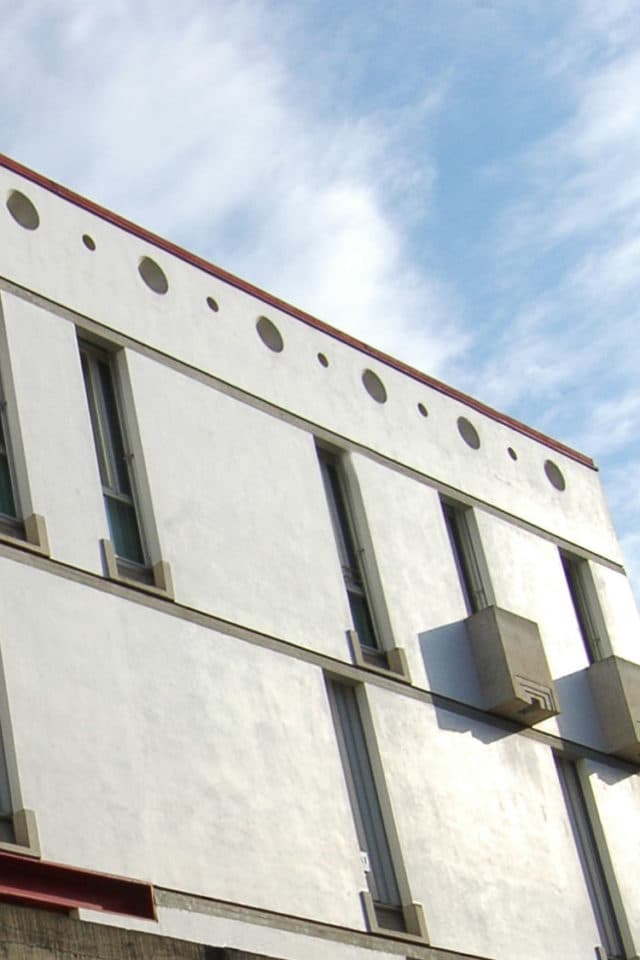
| Exterior brick or plaster | Yes | Needs good detailing and periodic refresh |
| Walls with active damp or leaks | Not until fixed | No finish cures a leak |
How Long Does Limewash Last?
Indoors, many years in a dry room; outdoors, less, depending on exposure. Limewash does not fail by peeling. It slowly softens and lightens, and you renew it by brushing a fresh coat over the old one, with no stripping. For harsh exteriors where you want a lime look with more resistance, a hydraulic lime plaster designed for humid climates is an option: Colortale's Venetian Facade is described as a hydraulic lime-based Venetian plaster with added protection against mould and algae.
How Can You Make Limewash Last Longer?
- Fix leaks, rising damp and blocked gutters first.
- Apply in thin, well-cured coats; see how limewash is applied.
- Avoid application just before heavy rain or in direct midday sun.
- Ventilate rooms during long humid spells.
- On exteriors or high-contact walls, ask about a breathable mineral sealer. A non-breathable sealer defeats the purpose.
- Refresh worn areas with a new coat rather than patch-painting.
Is Limewash Right for Your Space?
If you want a breathable finish for living spaces, bedrooms, ceilings or exterior masonry, limewash handles Indian weather well when it is detailed and maintained properly. For showers and splash zones, choose a finish built for water. To see how it compares with emulsion on damp walls, read limewash vs regular paint, then contact us and we will check your wall.
Frequently Asked Questions About Limewash and Water
Is limewash waterproof?
No. It is water-resistant and breathable once cured, but it is not designed for showers, splash zones or standing water.
Does limewash wash off in the rain?
Cured limewash on a well-detailed wall does not wash off in normal rain, but it weathers slowly and exterior walls need a fresh coat from time to time.
Is limewash good for humid climates?
Yes. It absorbs and releases moisture, and lime discourages mould. Keep rooms ventilated and fix leaks first.
Can I use limewash in a shower?
No. Use a finish made for wet zones, such as tadelakt or sealed microcement.
Can limewash be used in a bathroom?
Only on walls away from direct water in a well-ventilated bathroom.
Can I seal limewash to make it waterproof?
A non-breathable sealer removes its main benefit and can trap moisture. Some walls use a breathable mineral sealer for extra resistance.
How long does exterior limewash last?
It depends on exposure, rain and detailing. Exposed walls need refreshing more often than sheltered ones, and a new coat renews the finish without stripping.
Will limewash stop damp in my walls?
No. It lets a wall dry out better than a closed paint, but the source of the damp must be fixed.