Decorative paints have evolved far beyond their traditional role of adding colour to walls. Today, they are among the most powerful design tools available to architects, interior designers, and homeowners seeking to create spaces with personality, depth, and visual impact.
Decorative paints have evolved far beyond their traditional role of adding colour to walls. Today, they are among the most powerful design tools available to architects, interior designers, and homeowners seeking to create spaces with personality, depth, and visual impact. From subtle textured finishes that add warmth to a room to statement surfaces that become the focal point of an interior, decorative paints allow walls to contribute actively to the overall design narrative.
In modern architecture and interior design, surfaces are no longer viewed as passive backgrounds. They are increasingly treated as design elements that influence how a space feels, functions, and is experienced. Decorative paints help achieve this by introducing texture, movement, and material-like effects that conventional paints simply cannot replicate.
Whether it is a luxury residence, a boutique hotel, a premium retail store, or a contemporary office, decorative finishes have become a preferred choice for projects that seek to move beyond ordinary interiors. They offer a unique balance of aesthetics, versatility, and craftsmanship, making them suitable for both minimalist and highly expressive design concepts.
This guide explores everything you need to know about decorative paints, including their benefits, types, applications, design possibilities, and why they continue to shape the future of luxury interiors.
What Are Decorative Paints?
Decorative paints are specialised surface finishes designed to create visual effects, textures, and artistic appearances that go beyond the capabilities of standard wall paint. Unlike conventional paints that primarily provide colour and protection, decorative paints add depth, character, and dimension to surfaces.
These finishes can imitate natural materials such as stone, concrete, marble, metal, and lime plaster while offering a wide range of textures and visual effects. Some decorative paints create subtle elegance through soft movement and tonal variation, while others deliver bold statement finishes that transform an entire room.
The growing popularity of decorative paints is closely linked to changing design preferences. Homeowners and designers increasingly seek individuality and authenticity in their spaces. Rather than settling for flat painted walls, they want surfaces that tell a story, create atmosphere, and reflect a distinct design vision.
As a result, decorative paints have become an integral part of contemporary interior design, luxury hospitality projects, premium commercial spaces, and high-end residential developments.
Decorative Paints vs Conventional Paint
Understanding the difference between decorative paints and conventional paints is essential when planning a project.
Conventional paints primarily serve functional purposes. Their main role is to provide colour, basic protection, and a uniform finish. While they are available in various shades and sheen levels, their visual impact is generally limited.
Decorative paints, on the other hand, focus on creating an experience. They introduce texture, depth, and movement to surfaces, allowing walls to become active design features rather than simple backgrounds.
A conventional painted wall typically appears flat and consistent. Decorative finishes often reveal subtle variations, layered effects, and changing visual qualities depending on viewing angles and lighting conditions. This dynamic nature contributes significantly to the sophistication and character of a space.
Another key distinction lies in craftsmanship. Decorative paint applications often involve specialised techniques, artisanal expertise, and multiple layers of material. The final result is not merely a painted surface but a carefully crafted finish that contributes to the overall design language of the project.
Why Decorative Paints Have Become a Preferred Design Choice
The increasing demand for decorative paints reflects a broader shift in how people approach interior environments.
Modern consumers are investing more in experiences than ever before. This mindset extends to the spaces where they live, work, and interact. They seek interiors that evoke emotion, express individuality, and create memorable impressions.
Decorative paints support these goals by offering virtually limitless design possibilities. Whether the objective is to achieve understated elegance, industrial sophistication, natural warmth, or contemporary luxury, decorative finishes provide the flexibility needed to realise a specific vision.
Design professionals also appreciate the versatility of decorative paints. Unlike many fixed materials, decorative finishes can be customised to suit unique project requirements. Colours, textures, patterns, and effects can often be tailored to complement architectural features and interior concepts.
This adaptability makes decorative paints particularly valuable in high-end projects where originality and exclusivity are important.
The Evolution of Decorative Paints in Modern Interior Design
Decorative finishes are not a new concept. Their origins can be traced back thousands of years to civilisations that used pigments, plasters, and handcrafted techniques to embellish architectural surfaces.
Ancient Roman villas featured elaborate wall treatments that imitated marble and other luxury materials. Renaissance palaces showcased decorative plasterwork and painted finishes that demonstrated wealth and artistic sophistication. Traditional Mediterranean architecture often incorporated lime-based finishes that combined beauty with practicality.
Over time, decorative surface treatments evolved alongside architectural trends and technological advancements. New materials, application methods, and design philosophies expanded the possibilities available to designers and craftsmen.
In recent years, decorative paints have experienced a significant resurgence. Contemporary architecture increasingly emphasises materiality, texture, and sensory experiences. As minimalist design became more popular, designers began seeking alternatives to overly ornate decoration. Decorative finishes emerged as an ideal solution because they add richness and visual interest without overwhelming a space.
Today, decorative paints occupy a unique position within the design world. They bridge the gap between traditional craftsmanship and modern aesthetics, allowing projects to benefit from both authenticity and innovation.
How Decorative Paints Transform a Space Beyond Colour
One of the biggest misconceptions about decorative paints is that they are simply decorative alternatives to standard paint. In reality, their influence extends far beyond colour.
Decorative finishes shape how people perceive and experience a space. They affect visual depth, spatial perception, mood, and even the relationship between architecture and interior design.
Understanding these effects helps explain why decorative paints are increasingly specified in premium projects.
Creating Depth and Dimension
Flat walls can sometimes make interiors feel one-dimensional. Decorative paints introduce subtle variations in texture and tonal movement that create a sense of depth.
This added dimension allows surfaces to interact more dynamically with natural and artificial light. As light changes throughout the day, decorative finishes reveal different nuances and characteristics, making interiors feel more alive and engaging.
Depth is particularly valuable in contemporary spaces where architectural forms are intentionally clean and simple. Decorative finishes provide visual richness without introducing unnecessary clutter.
Enhancing Natural Light
Light plays a critical role in how interiors are perceived. Decorative paints influence the way light is reflected, absorbed, and diffused throughout a room.
Certain finishes create soft reflections that enhance brightness and openness. Others introduce gentle shadows that add warmth and intimacy. Metallic finishes can produce subtle shimmering effects, while textured surfaces create intricate interactions with changing light conditions.
This ability to shape light contributes significantly to the atmosphere of a space. For designers, decorative paints become an additional tool for controlling the visual experience of an interior. Rather than relying solely on lighting fixtures and colour schemes, they can use surface finishes to influence how light behaves within the environment.
Influencing Mood and Atmosphere
Every interior communicates something emotionally. A luxury hotel lobby may aim to create a sense of sophistication and exclusivity. A residential living room may seek comfort and relaxation. A modern office might prioritise creativity and inspiration.
Decorative paints help establish these emotional qualities through texture, colour variation, and material expression.
Soft lime-based finishes often evoke calmness and natural elegance. Concrete-inspired finishes can communicate modernity and urban sophistication. Metallic surfaces may introduce drama and luxury. Textured finishes often create warmth and tactile appeal.
The result is a more immersive environment that resonates with users on both visual and emotional levels.
Highlighting Architectural Features
Decorative paints can also strengthen architectural storytelling. Feature walls, curved surfaces, niches, columns, and focal points become more impactful when enhanced with carefully selected finishes. Rather than competing with architecture, decorative paints can emphasise and celebrate its unique characteristics.
Designers frequently use decorative finishes to draw attention to important elements within a space. This creates hierarchy, guides visual movement, and reinforces the intended design narrative.
When applied thoughtfully, decorative paints help architecture and interiors work together as a unified experience rather than separate components.
Types of Decorative Paint Finishes
The term decorative paints encompasses a broad range of finishes, each offering distinct visual and tactile qualities. Selecting the right finish requires understanding how different materials contribute to the overall design concept.
Textured Decorative Paints
Textured decorative paints are among the most popular choices for modern interiors because they add depth and character without overwhelming a space.
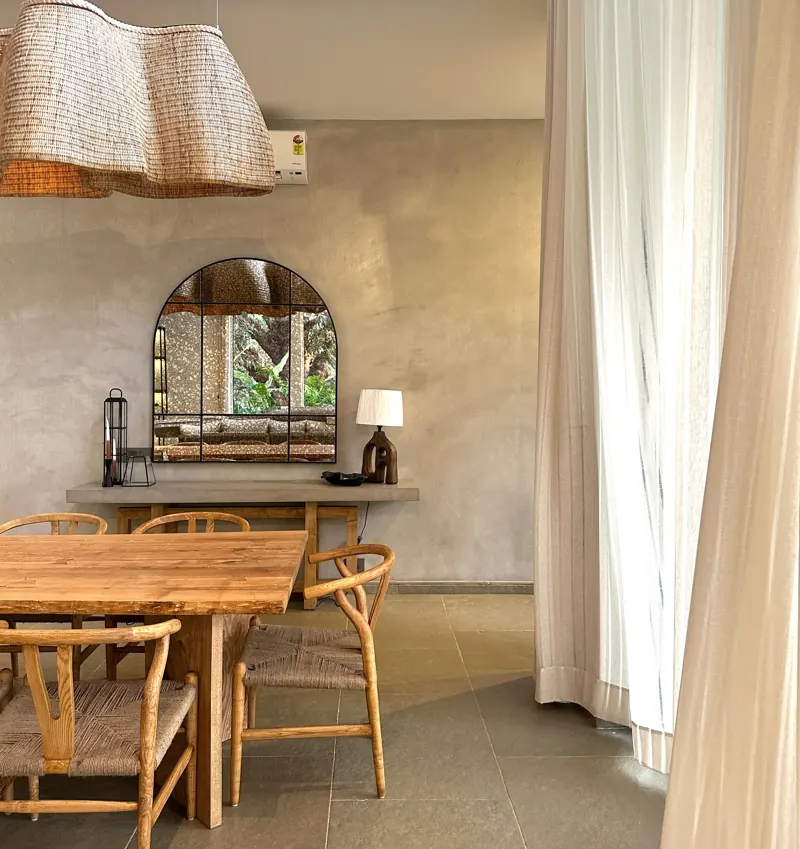
These finishes can range from subtle surface movement to more pronounced textures that create dramatic visual impact. Depending on the application technique, textured finishes may evoke natural stone, handcrafted plaster, weathered surfaces, or contemporary abstract effects.
One of their greatest strengths is versatility. Textured finishes work equally well in residential, hospitality, and commercial environments. They can complement minimalist interiors by introducing gentle visual interest or support more expressive concepts by serving as a focal design element.
Textured decorative paints are particularly effective in spaces where designers want to create warmth, authenticity, and a sense of craftsmanship.
Metallic Decorative Paint Finishes
Metallic finishes bring a unique sense of luxury and sophistication to interior spaces. Inspired by materials such as bronze, copper, silver, gold, and oxidised metals, these decorative paints create surfaces that interact dramatically with light. Depending on the chosen effect, metallic finishes can appear elegant and understated or bold and theatrical.
One reason metallic decorative paints remain popular is their ability to introduce visual movement. As lighting conditions change, metallic particles reflect light differently, creating a dynamic and ever-changing appearance.
These finishes are often used in hospitality environments, luxury residences, premium retail spaces, and feature walls where a strong visual statement is desired. Their ability to balance artistry with contemporary sophistication makes them a valuable option for projects seeking a distinctive identity.
Lime-Based Decorative Finishes
Among the most timeless decorative surface solutions, lime-based finishes have experienced a remarkable revival in contemporary architecture and interior design. Their appeal lies in their natural appearance, subtle movement, and ability to create surfaces that feel organic rather than manufactured.
Unlike perfectly uniform painted walls, lime-based decorative finishes embrace variation. Soft tonal shifts, delicate texture, and handcrafted character give these surfaces a sense of authenticity that resonates strongly with modern design preferences.
Architects and designers often choose lime-inspired decorative finishes when creating spaces that emphasise calmness, sophistication, and connection to natural materials. They work exceptionally well in luxury residences, boutique hospitality environments, wellness spaces, and contemporary commercial projects.
The growing demand for sustainable design has also contributed to the popularity of lime-based decorative finishes. Their natural aesthetic aligns perfectly with current trends that favour materials capable of creating warmth, depth, and timeless appeal.
Concrete-Effect Decorative Paints
Industrial design continues to influence modern interiors, and concrete-effect decorative paints have emerged as one of the most versatile ways to introduce this aesthetic without the limitations associated with traditional concrete construction.
These finishes replicate the visual character of concrete while offering greater flexibility in application. The result is a sophisticated surface that combines contemporary urban appeal with refined elegance.
Concrete-inspired decorative paints are particularly effective in minimalist interiors where texture becomes an important design element. Their understated appearance allows furniture, lighting, and architectural features to stand out while still contributing visual interest to the overall environment.
Many designers appreciate concrete-effect finishes because they create a seamless and cohesive look across different areas of a project. Whether used on walls, feature elements, or complementary surfaces, they support clean architectural lines and modern design concepts.
Stone-Inspired Decorative Finishes
Natural stone has long been associated with luxury and permanence. Stone-inspired decorative finishes capture many of the visual qualities of premium stone surfaces while providing greater design flexibility.
These finishes can recreate the depth, movement, and texture found in materials such as limestone, travertine, marble, and sandstone. Depending on the technique and desired effect, they can appear highly refined or intentionally rustic.
Stone-inspired decorative paints are often chosen for projects seeking timeless elegance. Their ability to bridge traditional and contemporary design styles makes them particularly versatile. For homeowners and designers looking to introduce natural material aesthetics without relying exclusively on heavy architectural materials, stone-inspired decorative finishes offer an attractive solution.
Decorative Paints for Different Areas of a Home
One of the greatest advantages of decorative paints is their adaptability. Different finishes can be used throughout a home to create distinct atmospheres while maintaining a cohesive design language.
Rather than applying the same finish everywhere, successful interiors often use decorative paints strategically, allowing each space to express its own identity.
Living Rooms
The living room often serves as the social and visual heart of a home. It is where homeowners entertain guests, spend time with family, and showcase their personal design preferences.
Decorative paints can transform living rooms by creating feature walls, enhancing architectural elements, and introducing layers of texture that elevate the overall aesthetic.
Soft textured finishes are particularly effective in contemporary living rooms because they add sophistication without dominating the space. Metallic accents may be used sparingly to create focal points, while stone-inspired finishes can contribute warmth and timeless character.
The goal is not simply to decorate walls but to create an environment that feels inviting, refined, and memorable.
Bedrooms
Bedrooms require a different approach. Here, the emphasis shifts from visual impact to comfort, relaxation, and emotional well-being.
Decorative paints with gentle movement and natural texture often perform exceptionally well in bedroom environments. Their subtle depth creates visual interest without overstimulation, helping establish a sense of calm.
Designers frequently choose finishes inspired by natural materials because they contribute to a restful atmosphere. Soft earthy tones, lime-inspired effects, and understated textures help transform bedrooms into personal retreats.
When combined with thoughtful lighting and carefully selected furnishings, decorative finishes can significantly enhance the emotional quality of a bedroom.
Dining Spaces
Dining rooms present unique opportunities for decorative finishes because they often serve as gathering spaces where conversation and shared experiences take place.
A decorative paint finish can help define the character of the room, whether the desired atmosphere is intimate and elegant or vibrant and contemporary.
Textured surfaces add depth that becomes particularly noticeable under ambient lighting conditions. During evening gatherings, these finishes interact beautifully with light, creating a warm and sophisticated environment.
For luxury residences, decorative finishes in dining spaces often act as a bridge between architectural design and interior styling.
Kitchens
Modern kitchens have evolved into multifunctional living spaces rather than purely functional work areas. As a result, their design receives greater attention than ever before.
Decorative paints can help soften the technical appearance of kitchen environments by introducing texture, warmth, and visual balance.
Depending on the overall design concept, concrete-inspired finishes may reinforce a contemporary aesthetic, while stone-inspired or textured surfaces can create a more organic feel.
The key is selecting finishes that complement cabinetry, countertops, flooring, and lighting while contributing to a cohesive design story.
Bathrooms
Luxury bathrooms increasingly resemble spa environments, emphasising comfort, wellness, and sensory experience.
Decorative paints play an important role in achieving this atmosphere. Their ability to mimic natural materials and create seamless visual continuity supports the tranquil character that many designers seek.
Subtle textures and natural-looking finishes often perform particularly well in bathroom settings. They introduce visual richness without overwhelming the space, allowing lighting, fixtures, and architectural elements to remain prominent.
When used thoughtfully, decorative finishes can transform a functional bathroom into a sophisticated retreat.
Hallways and Transitional Areas
Hallways are frequently overlooked during the design process despite their important role in connecting different areas of a home.
Decorative paints can help elevate these transitional spaces by creating continuity and enhancing the overall design experience.
Rather than serving merely as passageways, hallways can become integral parts of the architectural journey. Decorative finishes add visual interest, guide movement through the home, and create stronger connections between adjoining spaces.
Even subtle surface treatments can have a significant impact when applied consistently throughout circulation areas.
Decorative Paints in Commercial and Hospitality Projects
The value of decorative paints extends far beyond residential design. Commercial and hospitality environments increasingly rely on decorative finishes to create memorable experiences and reinforce brand identity.
In many cases, surfaces become powerful communication tools that influence how visitors perceive a business, hotel, restaurant, or workplace.
Offices
The modern workplace has undergone a dramatic transformation in recent years. Organisations increasingly recognise the relationship between environment, productivity, creativity, and employee well-being.
Decorative paints help create office spaces that feel more human, engaging, and inspiring. Textured finishes can soften corporate environments, while contemporary decorative surfaces contribute to a stronger sense of identity. Carefully selected finishes also help differentiate spaces such as reception areas, meeting rooms, collaboration zones, and executive offices.
Rather than relying solely on furniture and branding elements, organisations can use decorative surfaces to shape workplace experiences.
Retail Spaces
Retail design is fundamentally about creating experiences that attract attention and encourage engagement.
Decorative paints support this objective by helping brands create distinctive environments that reflect their personality and values. Whether a retailer seeks luxury, innovation, authenticity, or creativity, decorative finishes can reinforce the desired message. Feature walls, display areas, and focal points become more impactful when enhanced through carefully chosen surface treatments.
Because visual differentiation is critical in retail environments, decorative paints often provide a competitive advantage by making spaces more memorable.
Restaurants and Cafés
Dining environments rely heavily on atmosphere. Guests evaluate restaurants and cafés not only based on food and service but also on how the space makes them feel.
Decorative finishes contribute significantly to this perception. Textured walls can create intimacy, metallic surfaces can introduce sophistication, and natural-looking finishes can reinforce themes related to craftsmanship and authenticity.
Many successful hospitality brands use decorative surfaces to establish visual identity and strengthen emotional connections with customers. The result is an environment that encourages repeat visits and enhances the overall guest experience.
Hotels and Resorts
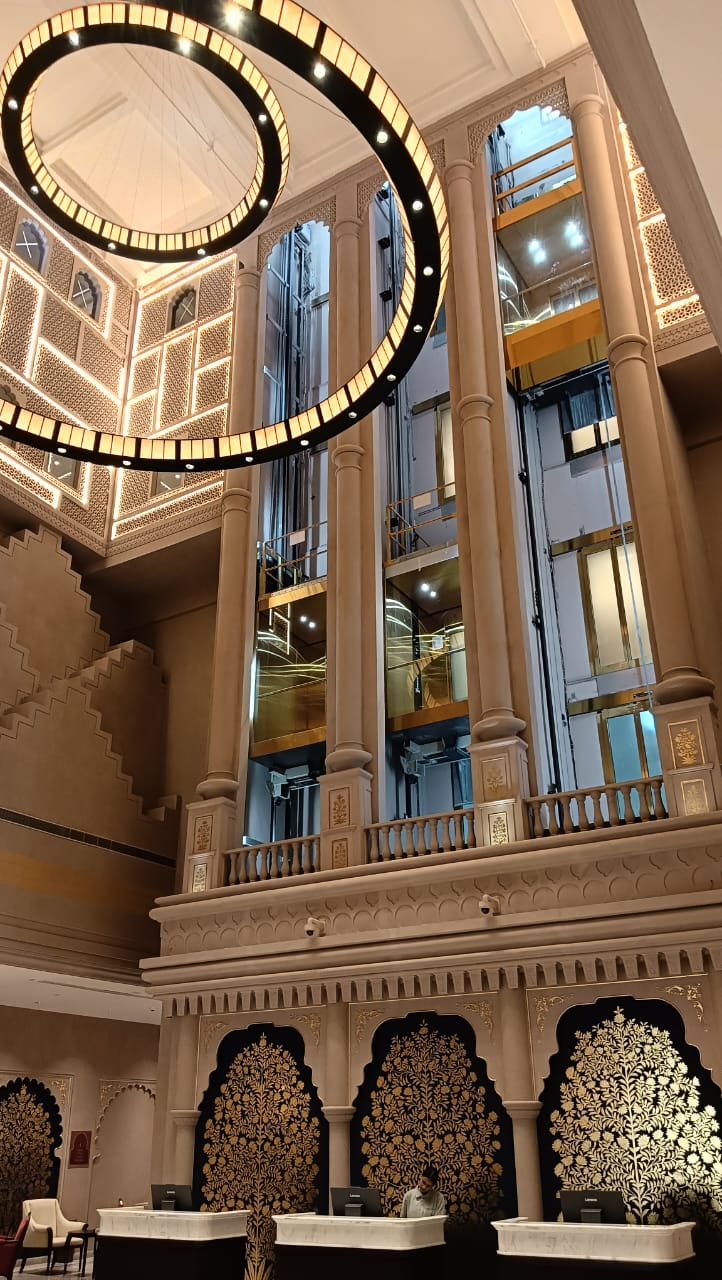
In hospitality design, first impressions matter immensely. Guests begin forming opinions the moment they enter a property. Decorative paints help create memorable arrival experiences while supporting the overall design concept of the hotel or resort.
Luxury hospitality projects frequently use decorative finishes in lobbies, guest suites, restaurants, spas, and public areas because they communicate quality and attention to detail.
Unlike generic painted surfaces, decorative finishes create environments that feel curated, distinctive, and emotionally engaging. For hotels seeking to differentiate themselves in a competitive market, decorative paints provide a valuable design advantage.
How Architects and Designers Use Decorative Paints
Architects and interior designers rarely select decorative finishes based solely on appearance. Their decisions are typically guided by broader design objectives.
Decorative paints become tools that help professionals shape perception, establish hierarchy, reinforce concepts, and create memorable experiences.
Creating Feature Walls
Feature walls remain one of the most effective applications of decorative paints. Rather than treating every surface equally, designers often identify specific areas that deserve emphasis. Decorative finishes help create visual anchors that attract attention and establish hierarchy within a room.
A well-executed feature wall can transform an otherwise simple space into a highly memorable environment.
Importantly, successful feature walls do not rely solely on bold colours. Texture, depth, and material expression often create a more sophisticated and enduring impact.
Designing Seamless Spaces
One of the defining characteristics of contemporary luxury interiors is visual continuity. Designers increasingly aim to create environments that feel connected, calm, and uncluttered.
Decorative paints support this approach by helping eliminate visual fragmentation. Unlike heavily patterned materials that can dominate a room, decorative finishes often provide subtle texture and depth while maintaining a cohesive appearance.
This quality makes them particularly effective in open-plan homes, hospitality projects, and modern commercial environments where seamless transitions between spaces are important. By using decorative finishes strategically, designers can create a unified visual language that flows naturally throughout a project.
Material Layering Techniques
Exceptional interiors rarely rely on a single material. Instead, they combine different textures and finishes to create balance and visual interest.
Decorative paints play an important role in this process because they act as a bridge between architectural elements and furnishings. For example, a textured decorative finish may be paired with natural wood, stone flooring, glass partitions, and metal accents. Each material contributes something unique, but the decorative surface helps unify the overall composition.
This concept of material layering is one of the key reasons decorative paints are so valuable in high-end design. They provide designers with flexibility while allowing spaces to feel sophisticated rather than overly complex.
Creating Visual Focal Points
Every successful interior benefits from a focal point. Whether it is a feature wall, staircase, reception area, fireplace surround, or architectural niche, focal points help establish hierarchy and guide visual attention.
Decorative paints are uniquely suited to this purpose because they introduce texture, movement, and material expression without requiring significant structural intervention.
Rather than adding more furniture or decorative objects, designers can use decorative finishes to create impact directly through the architecture of a space. This approach often results in cleaner, more timeless interiors.
Decorative Paint Trends Shaping Modern Interiors
The popularity of decorative paints continues to grow as design trends increasingly prioritise texture, authenticity, and sensory experiences. While styles evolve over time, several key movements are shaping how decorative finishes are used in contemporary interiors.
Nature-Inspired Finishes
Many designers are moving away from overly polished and artificial aesthetics in favour of surfaces that feel connected to nature.
Decorative finishes inspired by stone, earth, lime, and natural minerals align perfectly with this trend. Their organic appearance introduces warmth and character while supporting a more grounded and timeless design language.
These finishes work particularly well in residential spaces where comfort and well-being are central design objectives.
Soft Textures and Organic Surfaces
Minimalist interiors remain popular, but modern minimalism is becoming softer and more tactile. Instead of relying exclusively on perfectly smooth surfaces, designers increasingly incorporate subtle textures that add depth without creating visual clutter.
Decorative paints are ideal for achieving this balance. Their ability to create understated movement and material richness allows spaces to feel refined while remaining warm and inviting.
Minimalist Luxury
Luxury today is often defined by restraint rather than excess. Rather than relying on elaborate ornamentation, contemporary luxury interiors emphasise craftsmanship, quality materials, and thoughtful detailing.
Decorative finishes support this philosophy by creating sophisticated surfaces that reveal their beauty gradually. Their value lies not in immediate visual drama, but in the depth, nuance, and authenticity they bring to a space.
This understated elegance is one of the reasons decorative paints continue to gain popularity among architects and interior designers.
Sustainable Surface Solutions
Sustainability has become a major consideration in architecture and interior design. Clients increasingly seek materials and finishes that support environmentally conscious design practices without compromising aesthetics.
Many decorative finishes align well with these goals because they emphasise longevity, craftsmanship, and natural material inspiration.
As sustainable design continues to evolve, decorative paints are likely to play an even greater role in creating interiors that balance beauty, performance, and environmental responsibility.
Decorative Paints vs Other Surface Finishes
Selecting the right finish requires understanding how decorative paints compare to alternative surface treatments. Each option offers unique advantages, and the most appropriate choice depends on the project's goals, aesthetic direction, and functional requirements.
Decorative Paints vs Wallpaper
Wallpaper remains a popular option for introducing pattern and visual interest, but decorative paints offer a different type of flexibility.
While wallpaper often relies on printed designs, decorative finishes create depth through texture, movement, and material expression. The result tends to feel more integrated with the architecture of a space rather than applied to it.
Decorative paints also allow for greater customisation, enabling designers to create unique finishes tailored to specific projects. For luxury interiors seeking individuality and craftsmanship, decorative paints often provide a more bespoke solution.
Decorative Paints vs Stone Cladding
Natural stone delivers undeniable beauty and permanence. However, it may not always be the most practical solution for every project.
Decorative finishes inspired by stone can capture many of the visual qualities associated with natural materials while offering greater design flexibility. They can be applied to a wider range of surfaces and often integrate more easily into contemporary interior concepts.
For designers seeking the aesthetic richness of stone without overwhelming a space, decorative paints can provide an effective alternative.
Decorative Paints vs Tiles
Tiles are frequently chosen for durability and practicality, particularly in kitchens and bathrooms. Decorative paints, however, offer advantages in terms of visual continuity and design flexibility. Their ability to create seamless surfaces contributes to cleaner and more contemporary aesthetics.
Where tiles introduce joints and repetitive patterns, decorative finishes can create uninterrupted visual flow. This distinction is especially valuable in modern interiors where simplicity and cohesion are priorities.
How to Choose the Right Decorative Paint Finish
Choosing the right decorative finish involves more than selecting a colour or texture. Successful decisions are guided by a broader understanding of the space, its purpose, and the desired experience.
Understanding Your Design Objectives
Every project begins with a vision. Before selecting a decorative finish, it is important to determine what the space should communicate. Is the goal to create warmth and comfort? Contemporary sophistication? Artistic expression? Luxury and exclusivity?
The chosen finish should support these objectives rather than simply follow current trends. When decorative paints align with the overall design concept, they contribute significantly to the success of the project.
Evaluating Lighting Conditions
Light has a profound impact on decorative finishes. Natural daylight, artificial lighting, and changing environmental conditions all influence how textures and surface effects are perceived.
A finish that appears subtle in one setting may become dramatically expressive in another. Understanding this interaction is essential when selecting decorative paints.
Design professionals often evaluate sample panels under different lighting conditions before making final decisions.
Matching Existing Materials
Decorative paints should complement rather than compete with other materials within a space. Wood, stone, metal, glass, fabrics, and furnishings all contribute to the overall design composition. The selected finish should enhance these elements and strengthen visual harmony.
This holistic approach helps create interiors that feel intentional and cohesive.
Considering Maintenance Requirements
While aesthetics are important, practicality should not be overlooked. Different decorative finishes have varying maintenance characteristics. Understanding how a surface will be used helps ensure that the chosen finish remains attractive and functional over time.
Projects with high levels of activity may require different solutions from private residential environments. Balancing visual appeal with long-term performance is a critical part of the selection process.
Common Mistakes to Avoid When Choosing Decorative Paints
One of the most common mistakes is selecting a finish solely because it is trending. Design trends change, but successful interiors remain relevant because they reflect the character of the space and the people who use it.
Another frequent mistake is overlooking lighting conditions. Decorative paints interact with light in complex ways, and a finish that looks exceptional in a showroom may appear very different in its final environment.
Many projects also underestimate the importance of craftsmanship. Decorative finishes achieve their full potential only when applied with expertise and attention to detail.
Finally, some homeowners focus exclusively on colour while ignoring texture. In reality, texture often has a greater influence on how a decorative finish is perceived and experienced.
Why Decorative Paints Are a Long-Term Design Investment
Decorative paints offer value that extends beyond immediate visual impact. They contribute to the identity of a space, influence how people experience interiors, and help create environments that remain relevant over time.
Unlike purely decorative trends that may feel outdated after a few years, thoughtfully selected decorative finishes often age gracefully because they emphasise texture, craftsmanship, and material expression.
For architects, designers, and homeowners, this longevity makes decorative paints a worthwhile investment. The ability to create distinctive spaces that feel timeless rather than temporary is one of their greatest strengths.
Why Design Professionals Choose Decorative Finishes from Colortale
Creating exceptional decorative surfaces requires more than materials alone. It requires an understanding of architecture, craftsmanship, texture, and design intent.
At Colortale, decorative finishes are approached as part of a broader surface design philosophy. Rather than treating walls as simple backgrounds, the focus is on transforming surfaces into meaningful design elements that contribute to the character and identity of a space.
From contemporary residences and luxury hospitality projects to premium commercial environments, Colortale's decorative surface solutions are designed to deliver depth, sophistication, and visual distinction.
By combining artisanal craftsmanship with innovative surface technologies, Colortale helps architects, designers, and homeowners bring their creative visions to life through finishes that feel authentic, timeless, and uniquely tailored to each project.
If you are exploring decorative paints for an upcoming project, connect with the Colortale team through the contact form to discuss design goals, surface requirements, and finish possibilities.
Conclusion
Decorative paints have transformed the way designers approach interior surfaces. No longer limited to colour alone, they now play a central role in shaping atmosphere, enhancing architecture, and creating memorable experiences.
From textured finishes and metallic effects to stone-inspired and contemporary surface treatments, decorative paints offer endless opportunities for creative expression. Their ability to introduce depth, character, and material richness makes them an essential tool in modern interior design.
As architecture continues to prioritise authenticity, craftsmanship, and sensory experience, decorative finishes are becoming increasingly important. They enable spaces to communicate identity, evoke emotion, and remain visually compelling for years to come.
Whether designing a luxury residence, a commercial environment, or a hospitality project, decorative paints provide a powerful way to transform ordinary surfaces into extraordinary design statements.
For those seeking surfaces that go beyond convention, decorative paints represent not simply a finish but a design investment that elevates the entire experience of a space.